


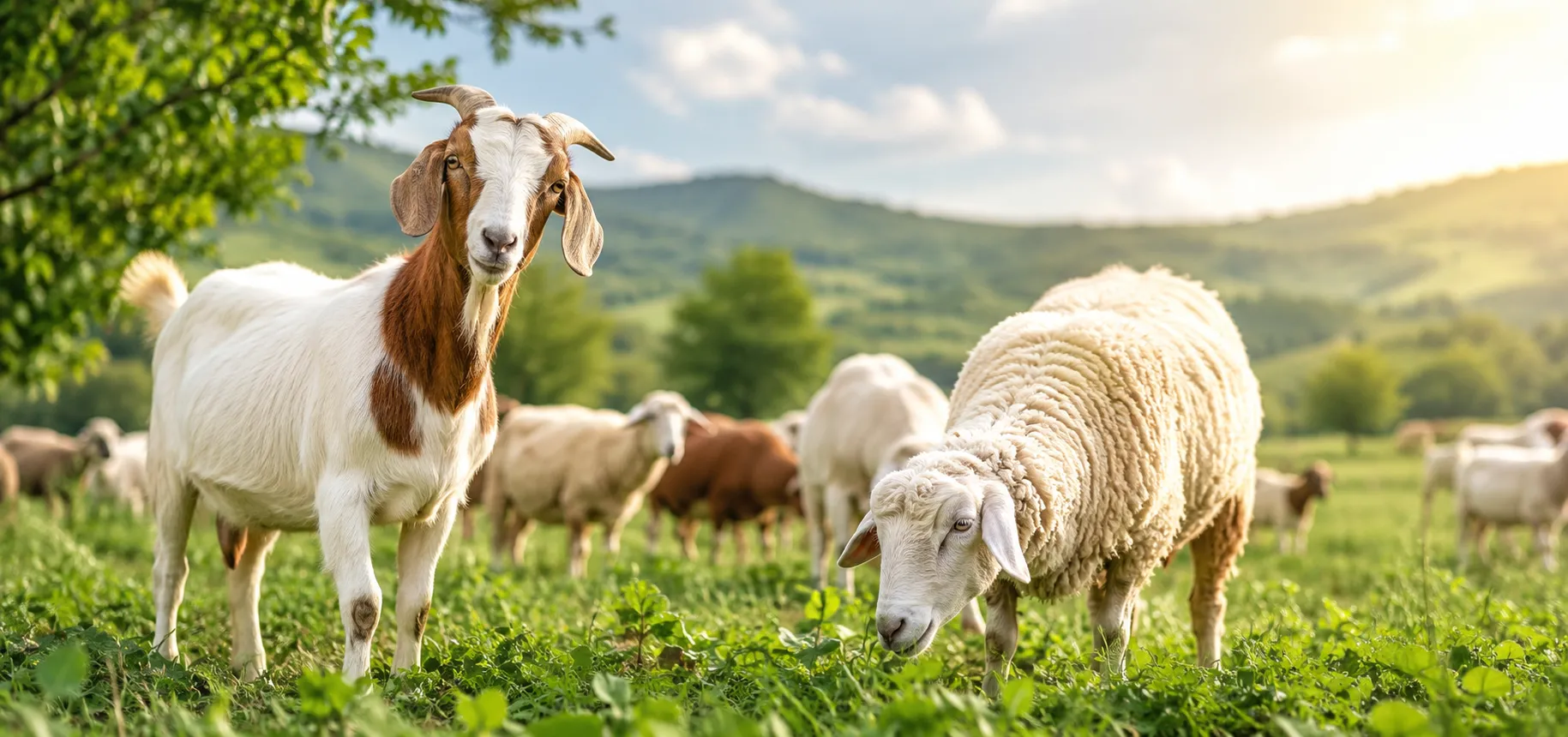
Healthy weight gain is one of the most important goals for every goat and sheep farmer. Animals that grow steadily are generally stronger, more productive, and better prepared for breeding or market. However, rapid weight gain does not happen by chance. It comes from proper feeding, good management, and consistent animal care.
This guide explains practical and natural methods to help goats and sheep gain weight without relying on unnecessary shortcuts.
Start with High-Quality Feed
The foundation of healthy weight gain is a balanced diet. Goats and sheep require enough energy, protein, vitamins, and minerals every day.
A good feeding plan may include:
- Fresh green fodder
- Dry hay or straw
- Legume fodder
- Concentrate feed in suitable amounts
- Clean drinking water available throughout the day
Changing feed suddenly can upset digestion, so introduce any new feed gradually.
Ensure Adequate Protein Intake
Protein supports muscle development and body growth. Animals that do not receive enough protein often grow slowly, even if they eat plenty of feed.
Protein-rich feed ingredients may include:
- Soybean meal
- Groundnut cake
- Cottonseed cake
- Legume fodder
- Commercial livestock concentrate
Young and growing animals generally require more protein than mature animals.
Never Ignore Clean Water
Water plays a major role in digestion and nutrient absorption. Even a small reduction in water intake can reduce feed consumption, which directly affects weight gain.
Provide fresh, clean water at all times, especially during hot weather.
Reduce Internal Parasites
Worm infestations are one of the biggest reasons goats and sheep fail to gain weight.
Signs may include:
- Poor growth
- Rough coat
- Diarrhea
- Weakness
- Reduced appetite
Regular deworming based on veterinary advice and maintaining clean housing can greatly improve growth performance.
Provide Mineral Supplements
Minerals help maintain healthy bones, digestion, immunity, and metabolism.
Keeping a mineral mixture or mineral lick available allows animals to consume essential nutrients whenever needed.
Maintain Comfortable Housing
Animals grow better when they live in a clean, dry, and stress-free environment.
Good housing should provide:
- Proper ventilation
- Dry bedding
- Protection from rain
- Shade during hot weather
- Enough space for movement
Clean sheds also reduce the risk of disease.
Separate Animals by Age
Young animals often struggle to compete with larger goats or sheep during feeding.
Keeping kids and lambs in separate groups allows them to eat enough feed without competition, supporting faster and healthier growth.
Monitor Body Condition Regularly
Weigh animals periodically or observe their body condition every few weeks.
Regular monitoring helps farmers:
- Identify slow-growing animals
- Adjust feeding plans
- Detect health issues early
- Improve overall flock management
Small improvements made early can lead to better long-term weight gain.
Prevent Diseases Before They Affect Growth
Healthy animals convert feed into body weight more efficiently.
Follow a preventive healthcare program that includes:
- Timely vaccinations
- Parasite control
- Clean feeding equipment
- Regular health observation
- Veterinary consultation when animals show signs of illness
Disease prevention is often more effective and less expensive than treatment.
Be Patient and Consistent
Healthy weight gain takes time. Overfeeding or using unverified products may create health problems instead of improving growth.
Consistent nutrition, proper management, regular health care, and a clean environment remain the safest and most effective approach for raising healthy goats and sheep.
Conclusion
Improving weight gain in goats and sheep is not about one special feed or supplement. It is the result of balanced nutrition, parasite control, clean housing, sufficient water, and routine health management. Farmers who focus on these basic practices usually see stronger growth, healthier animals, and better overall farm productivity over time.